
2026 International Conference on Traditional Chinese Medicine & Acupuncture (Online)
On May 31, 2026, the Alliance of Acupuncture and Chinese Medicine of Canada successfully hosted this online conference, bringing together experts in TCM, acupuncture, rehabilitation and pain medicine from China, Canada, the U.S., France, Switzerland and beyond. The full session recordings are below — available to our annual members.
2026年5月31日,加拿大中医针灸联盟成功举办「2026加拿大中医药针灸国际学术大会(网络)」,汇聚来自中国、加拿大、美国、法国、瑞士等多个国家和地区的中医药、针灸、康复与疼痛医学专家。以下为大会全程视频回放,供年度会员观看。
会员 / 参会者专享 | Members & Attendees Only
The conference session recordings are available to AACMC annual members, 2026 conference ticket holders, and association members.
大会视频回放向年度会员、2026 大会购票参会者及联盟会员开放。
Annual / Student Annual members — log in to unlock automatically.
年度 / 学生年度会员可登录后自动解锁。
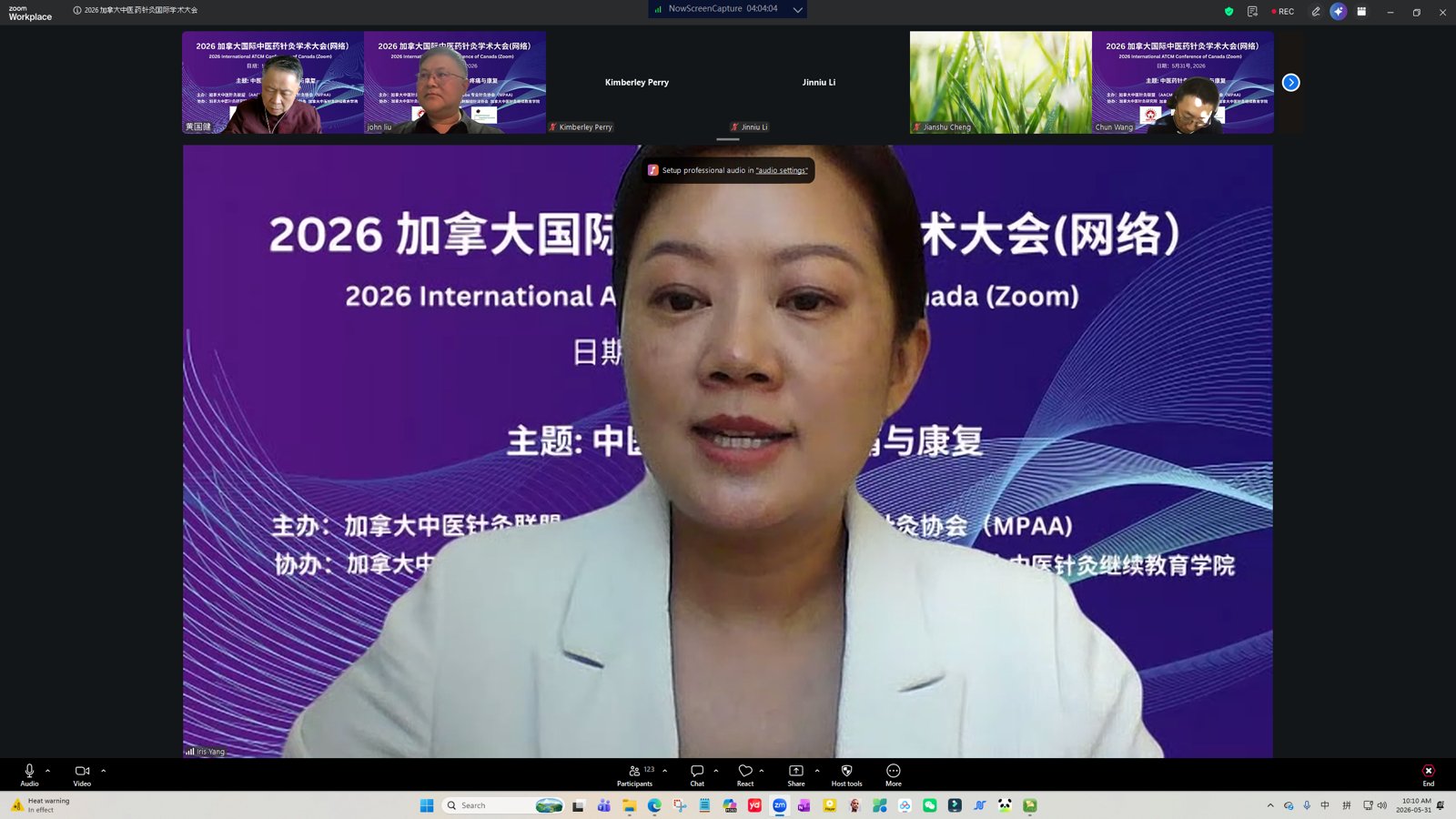
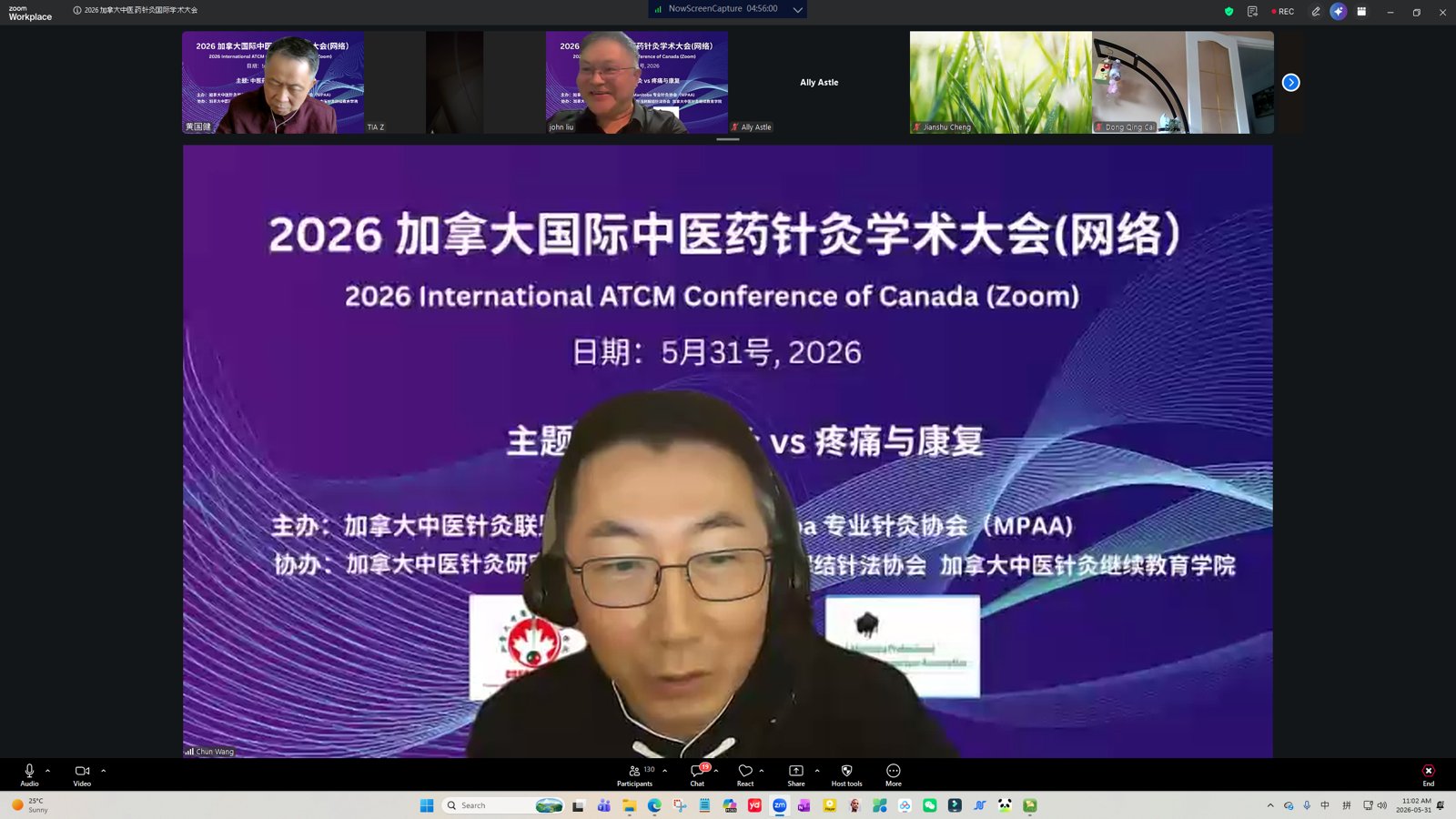
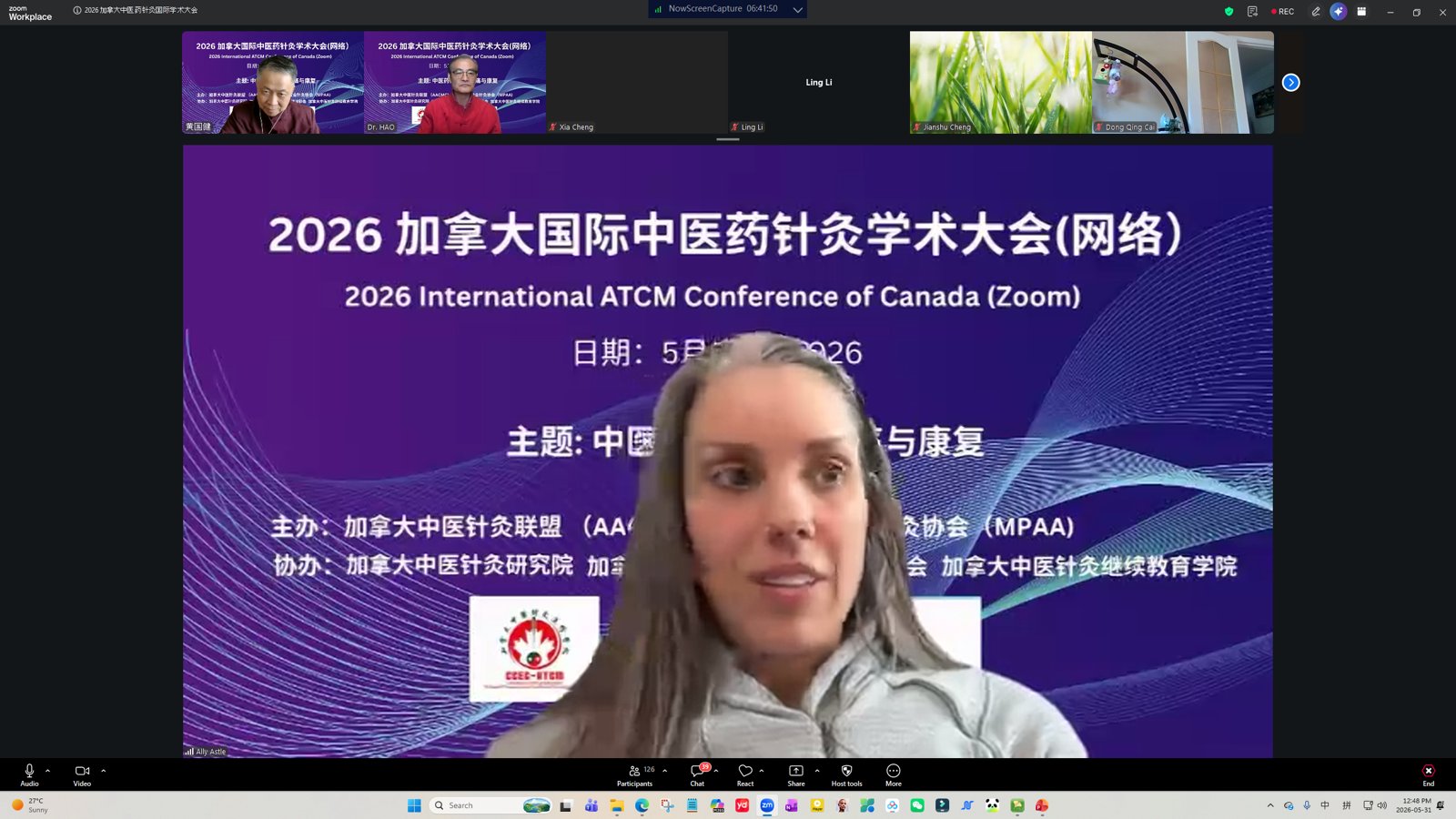
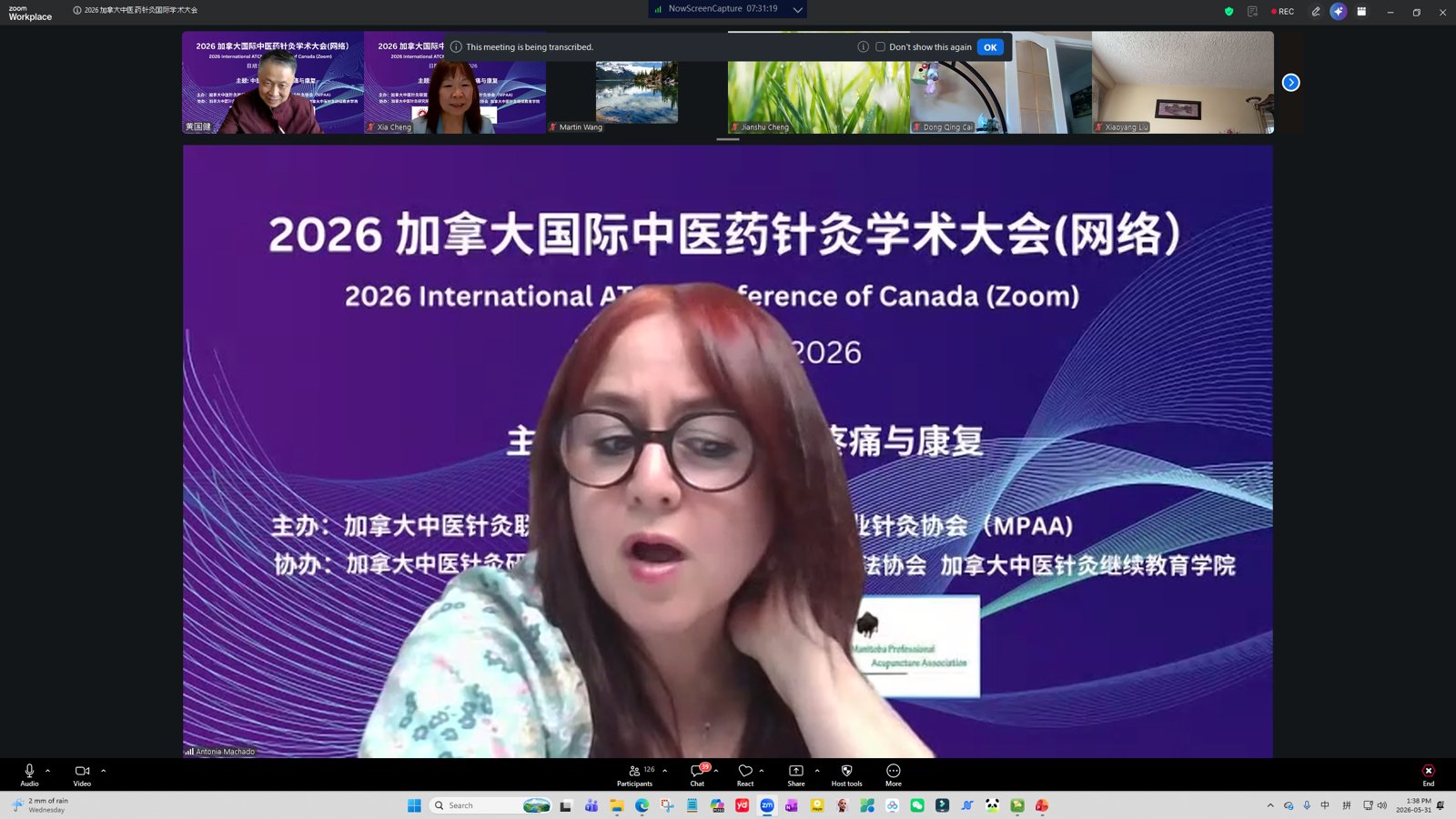
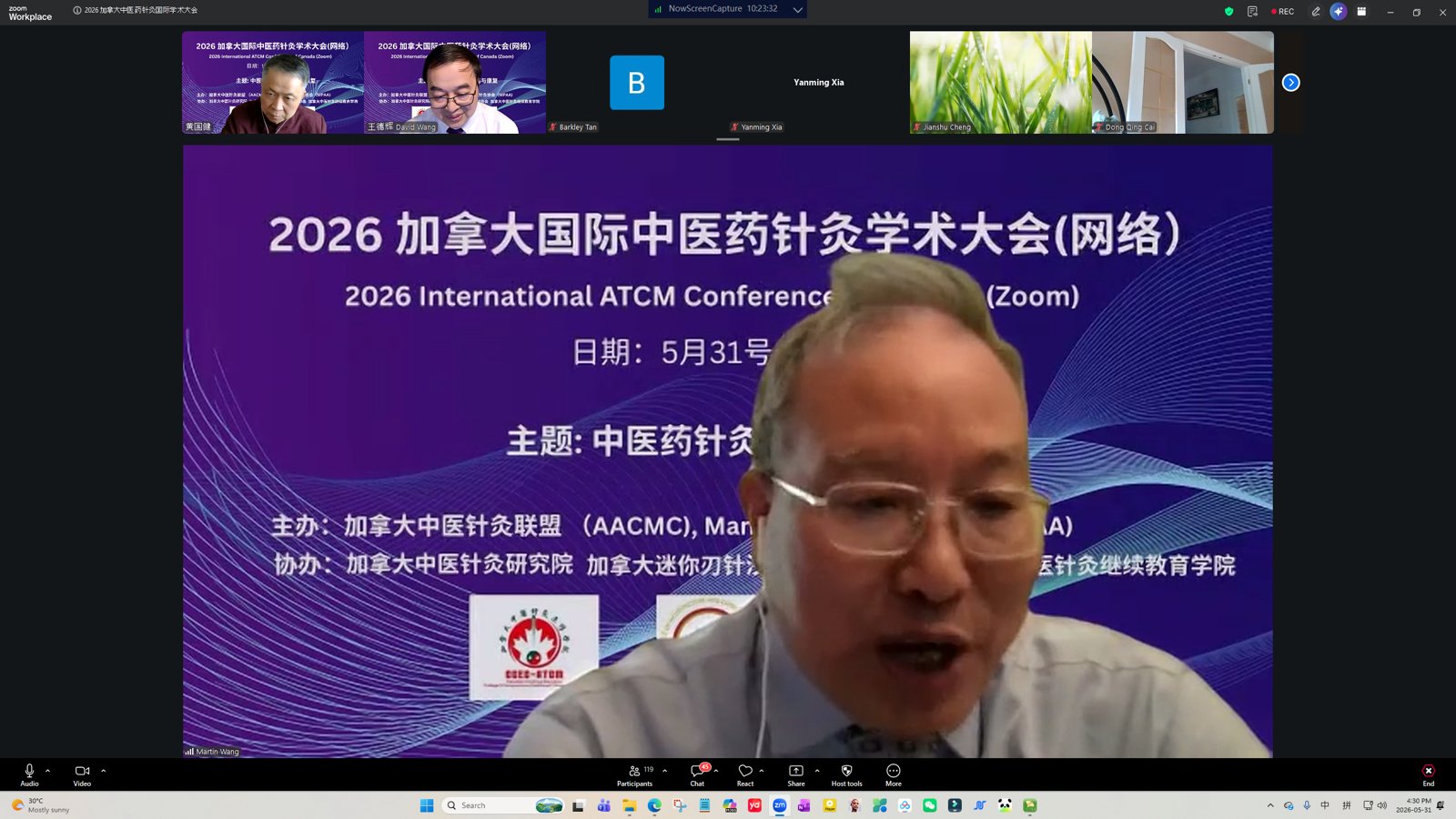
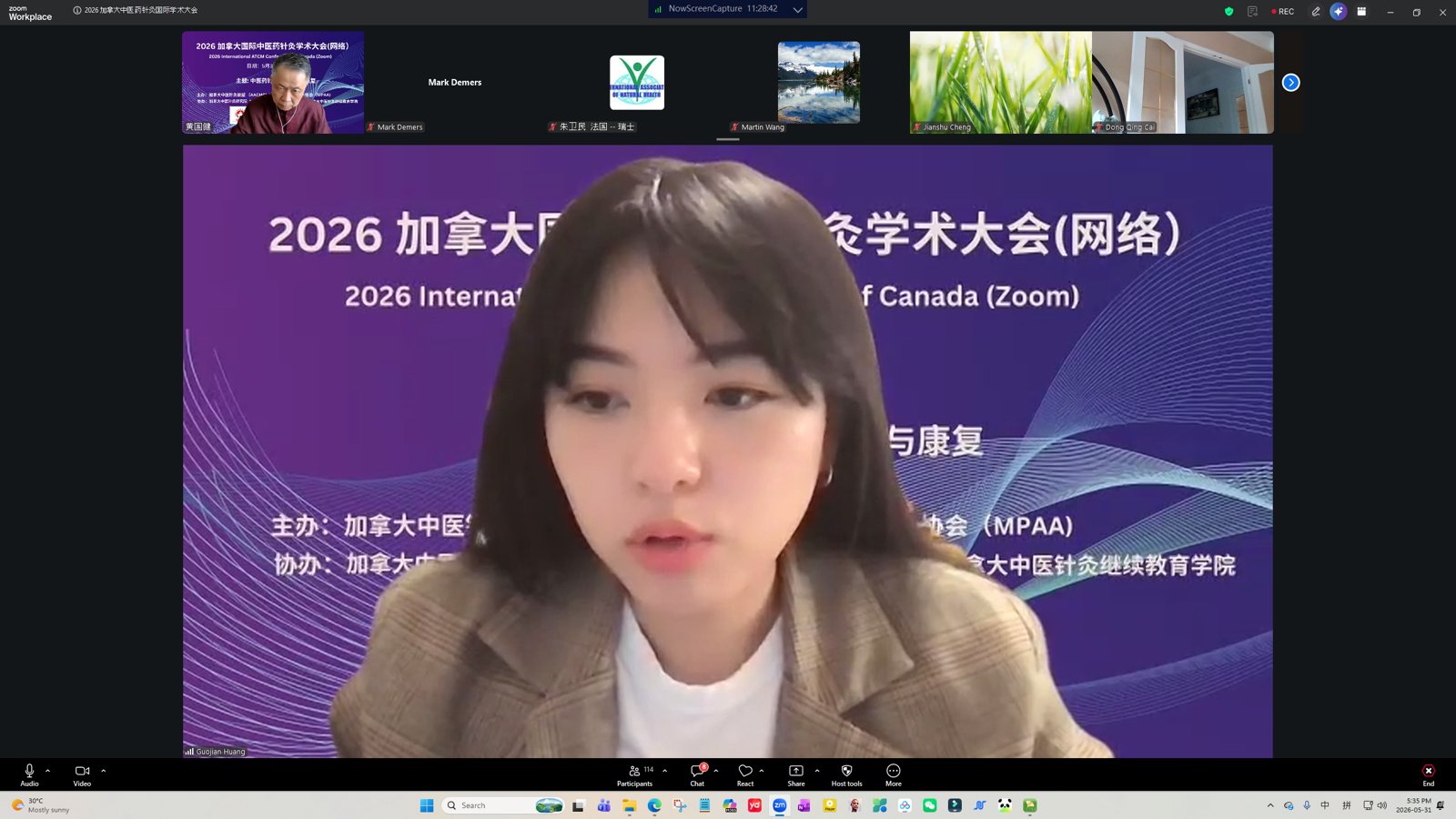
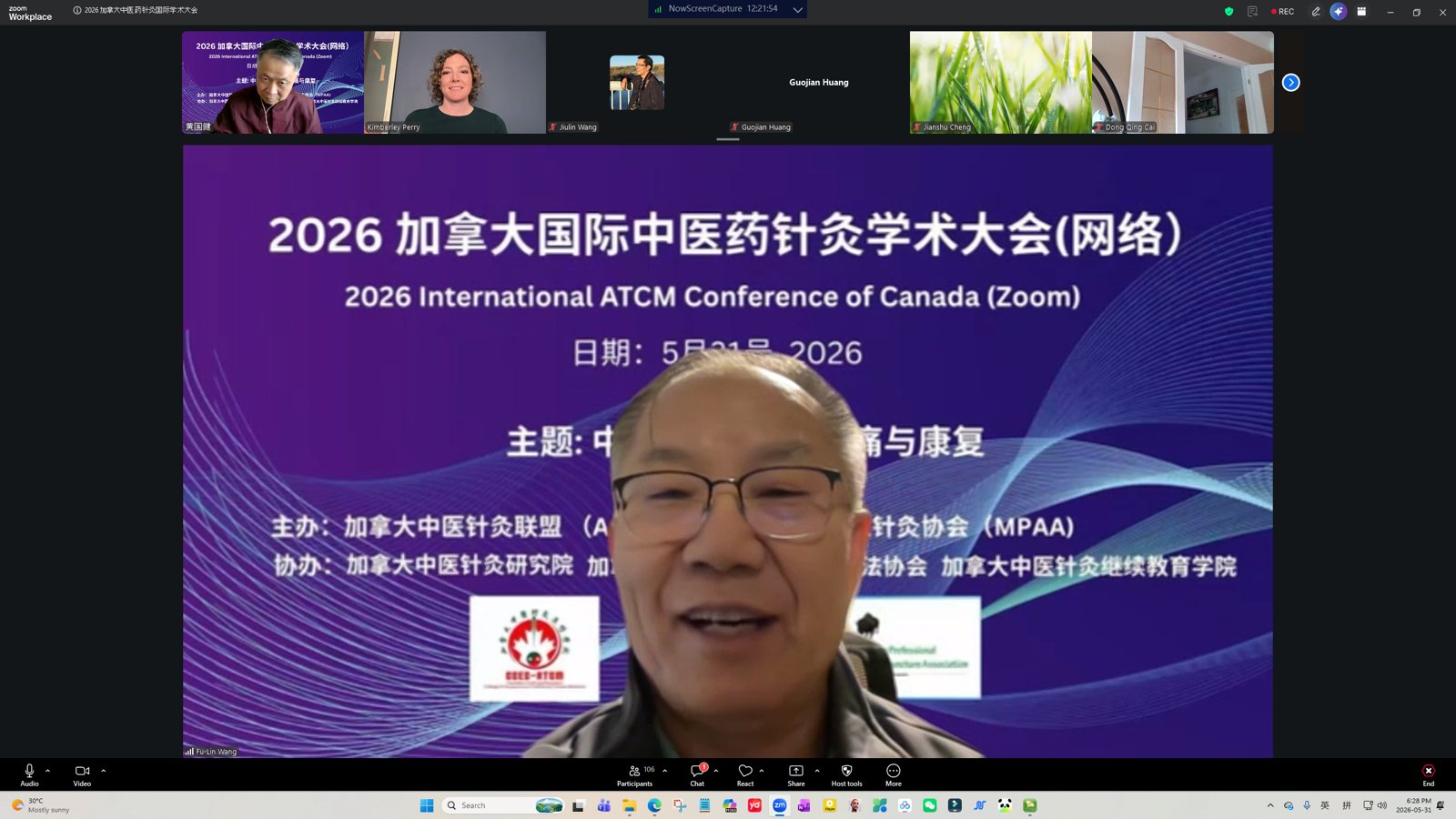
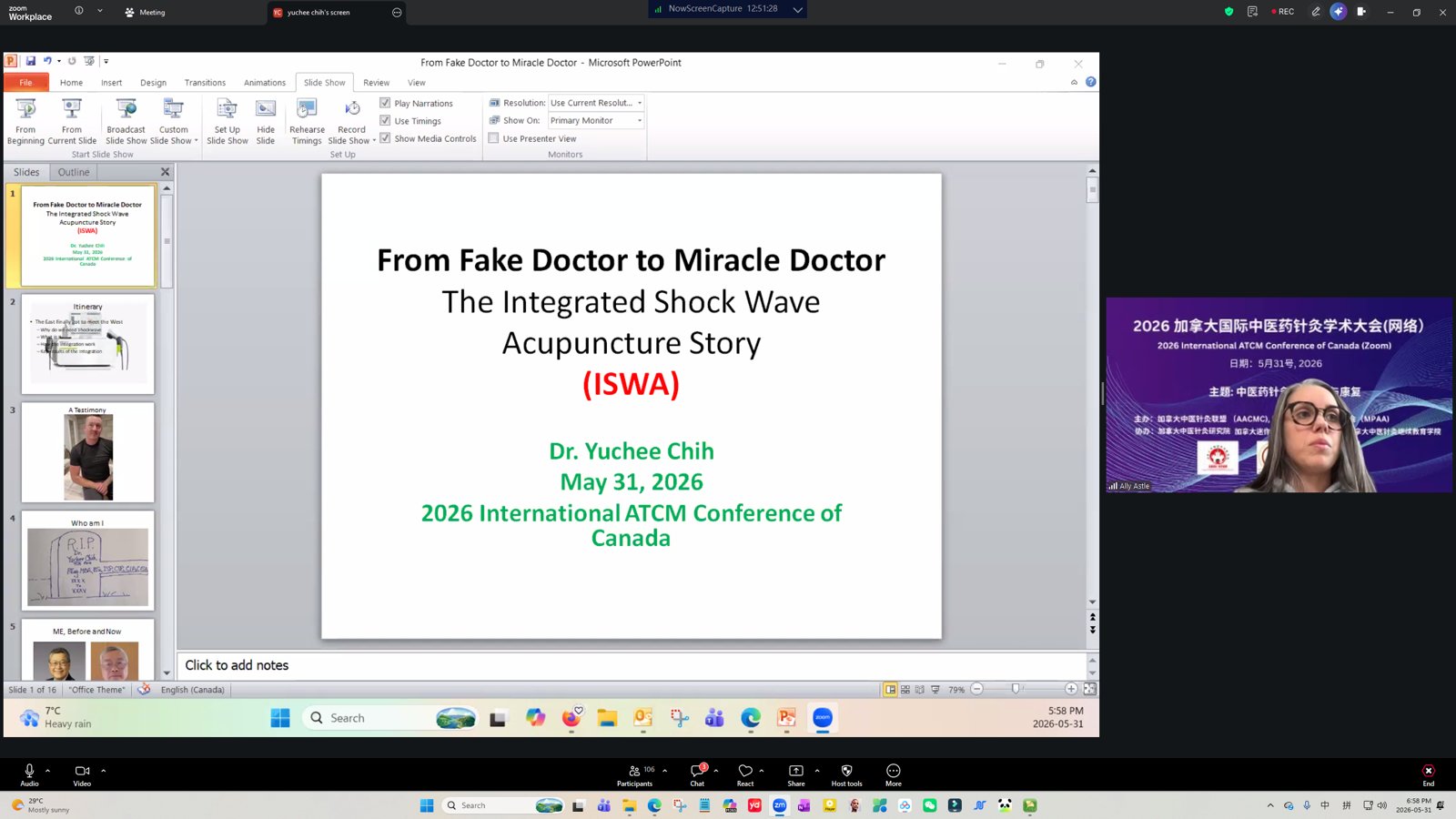
会议剪影 | Conference Gallery
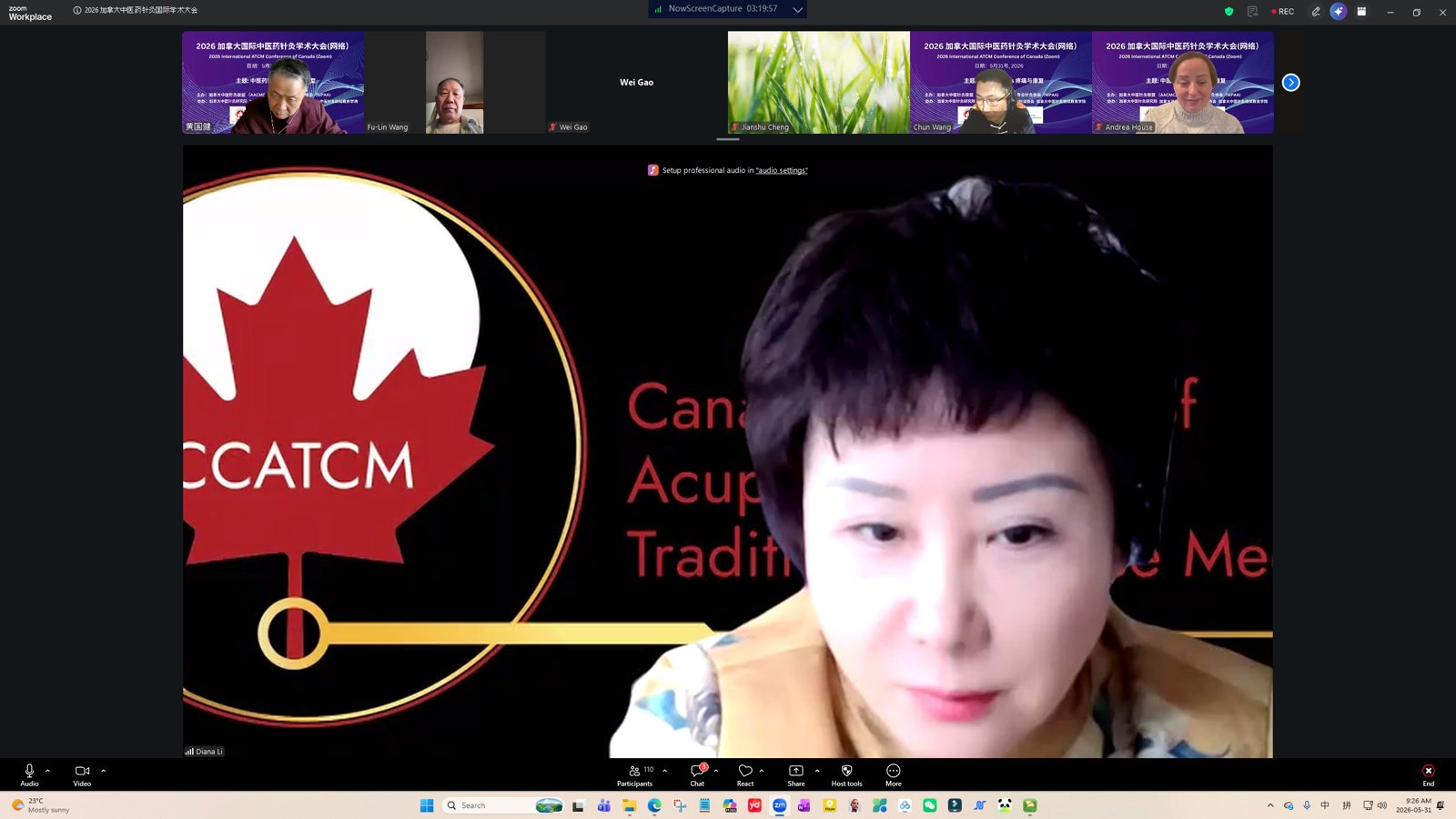
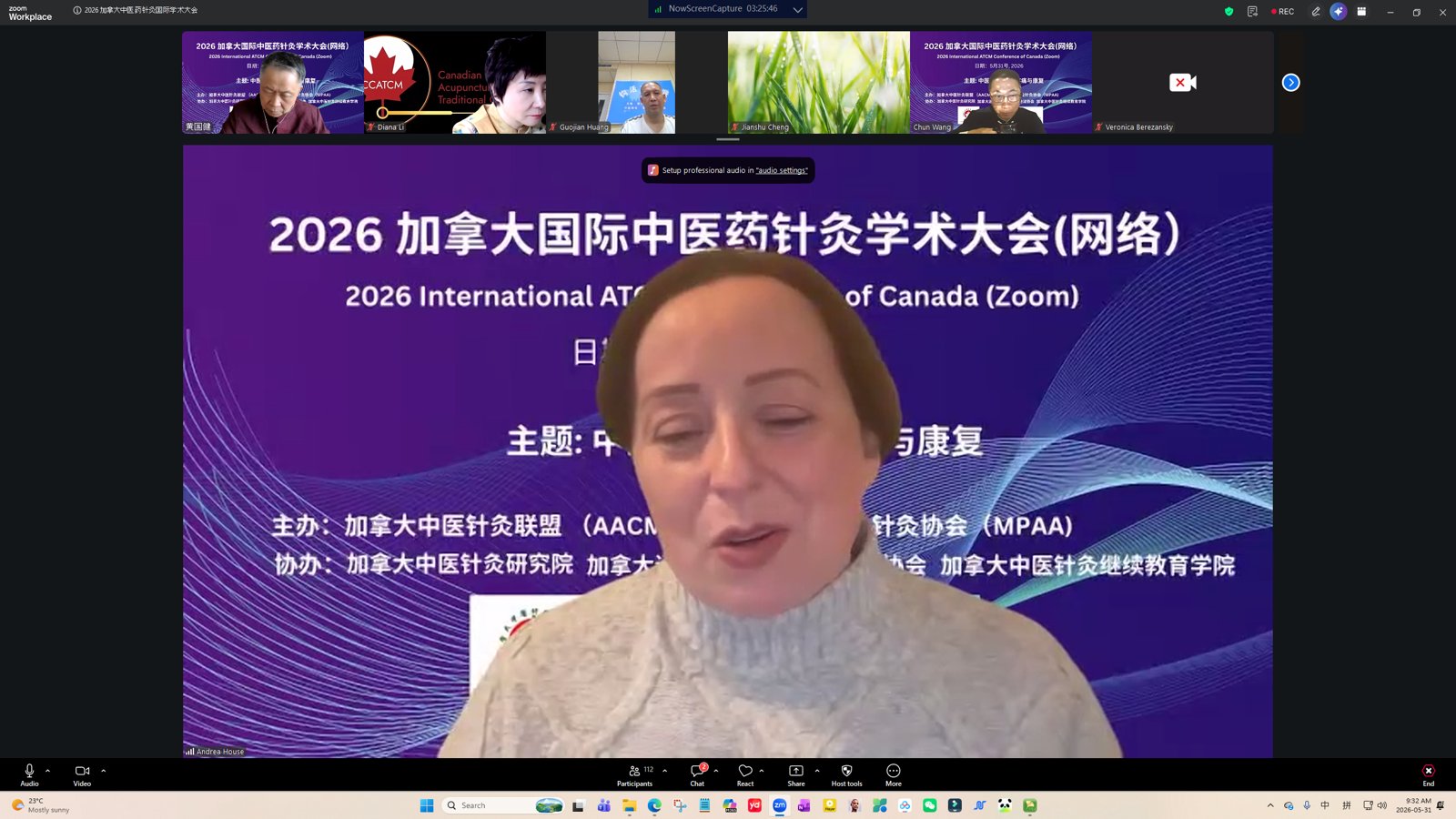
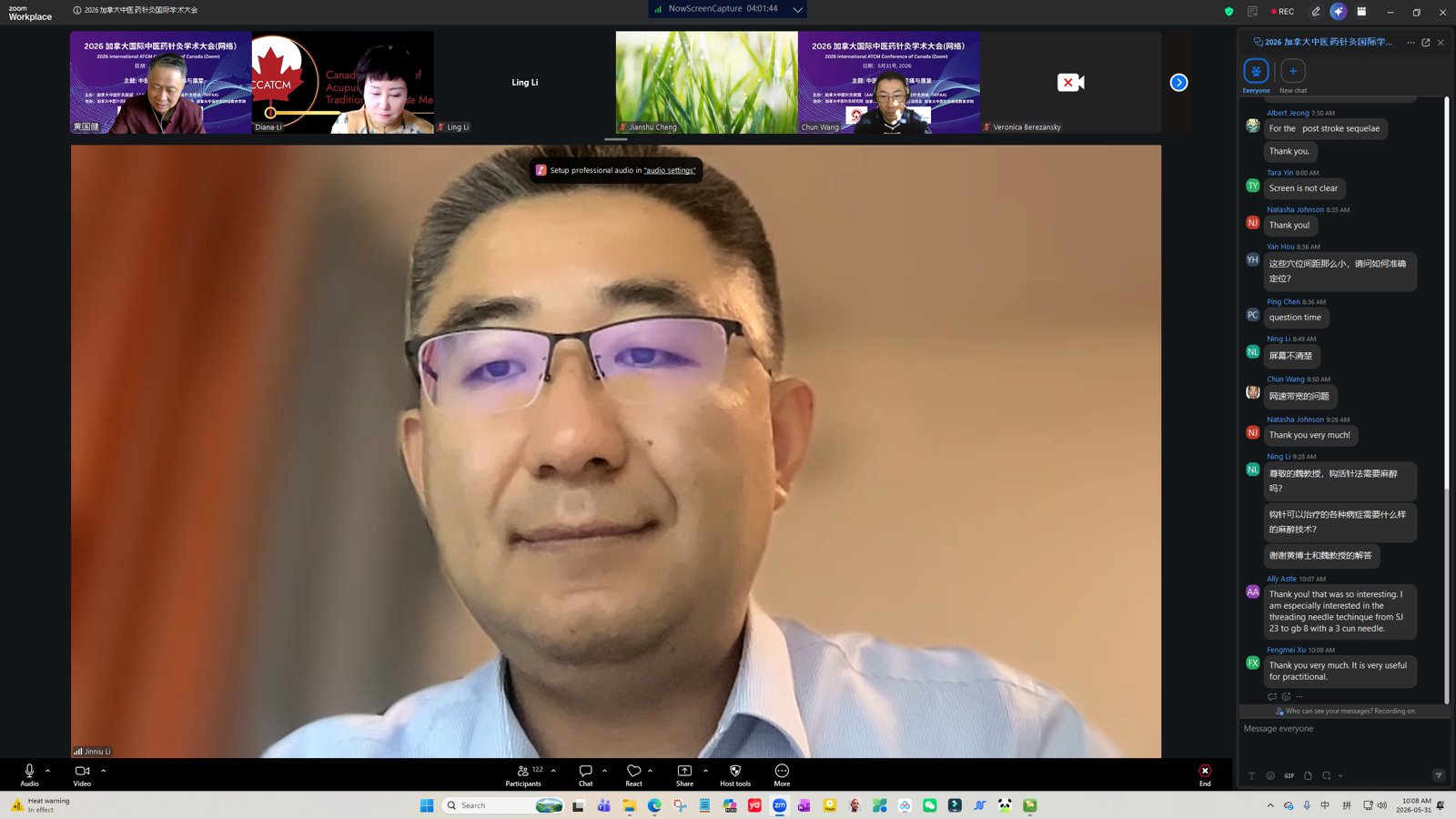
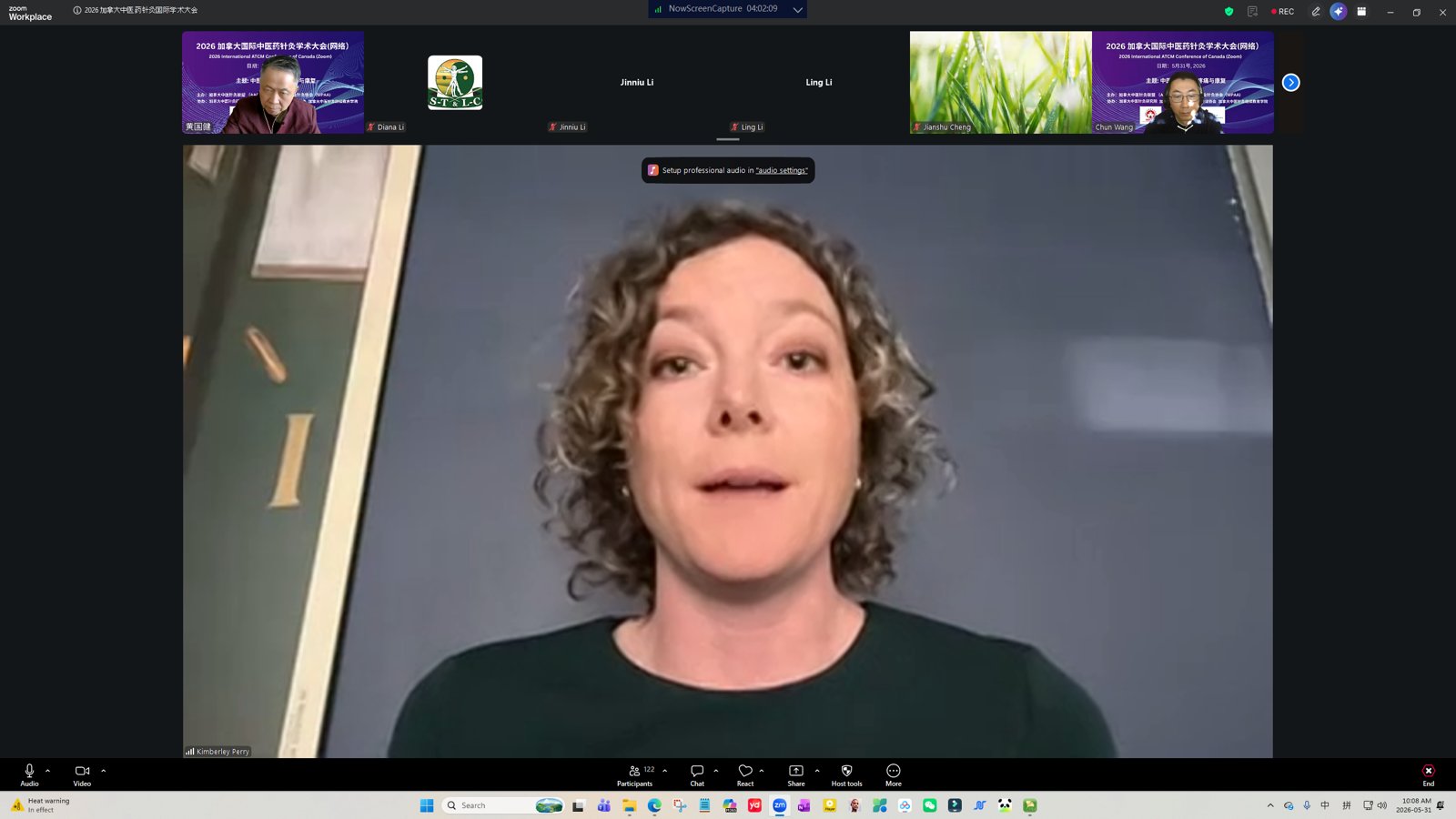
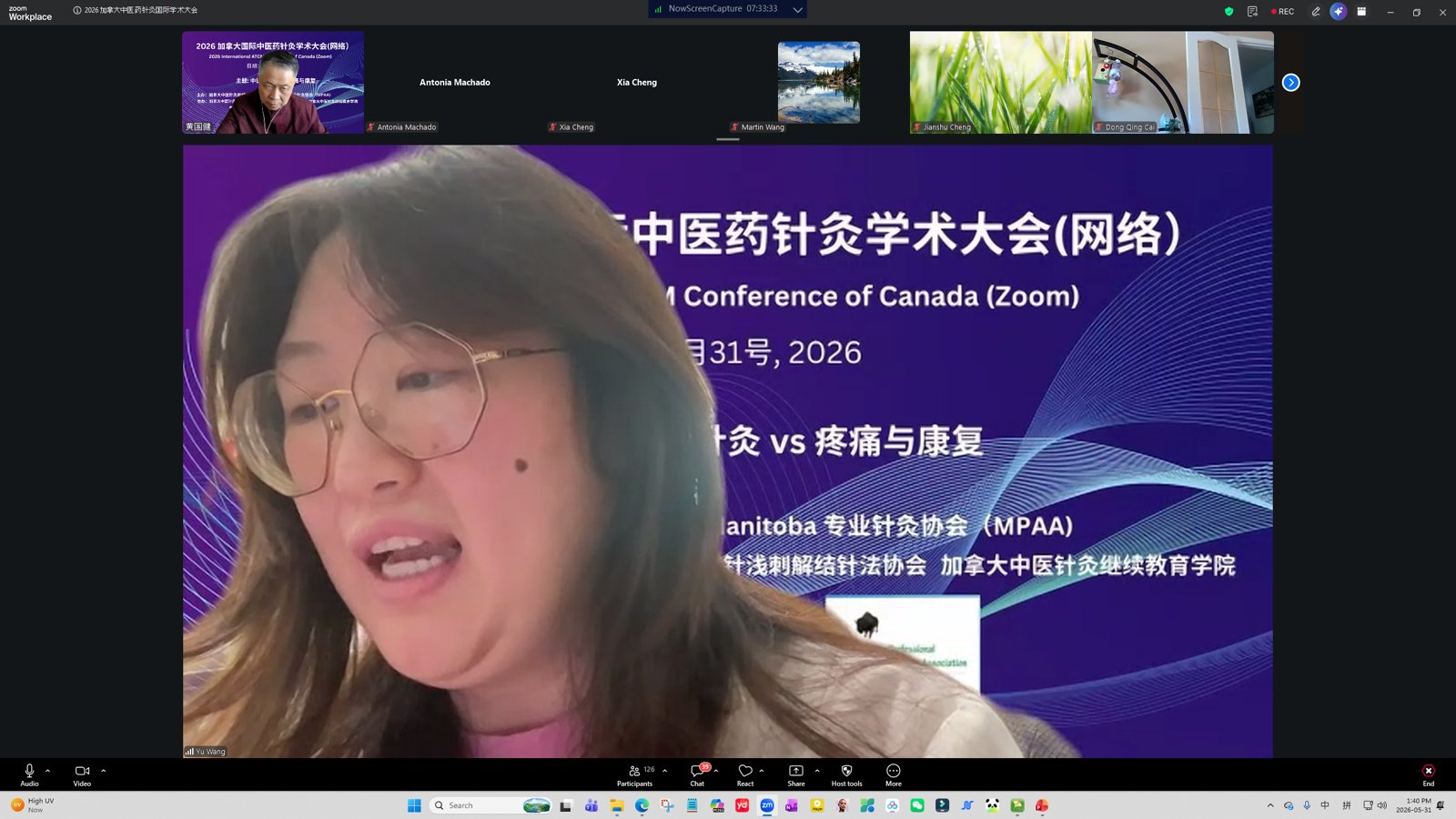
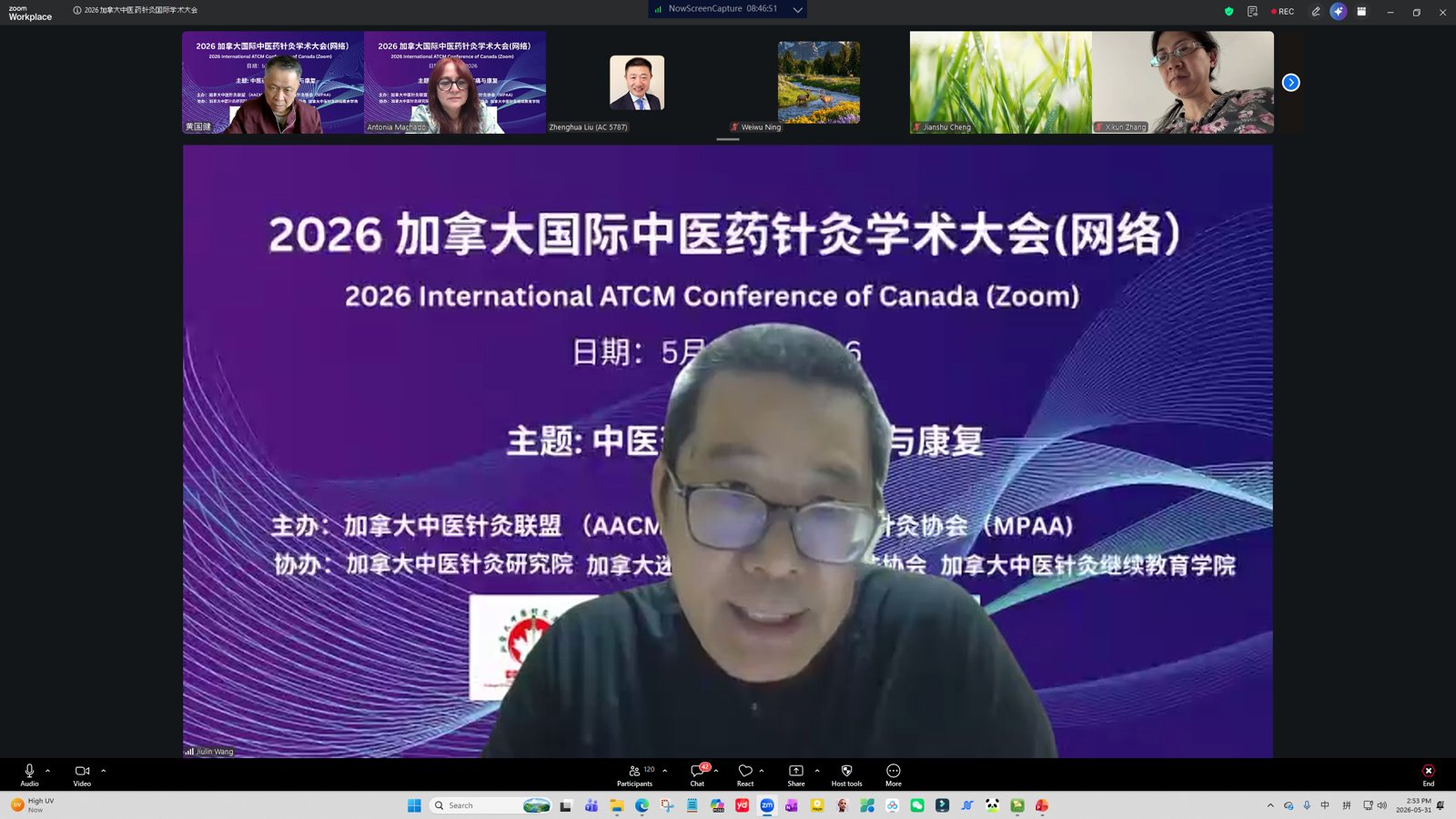
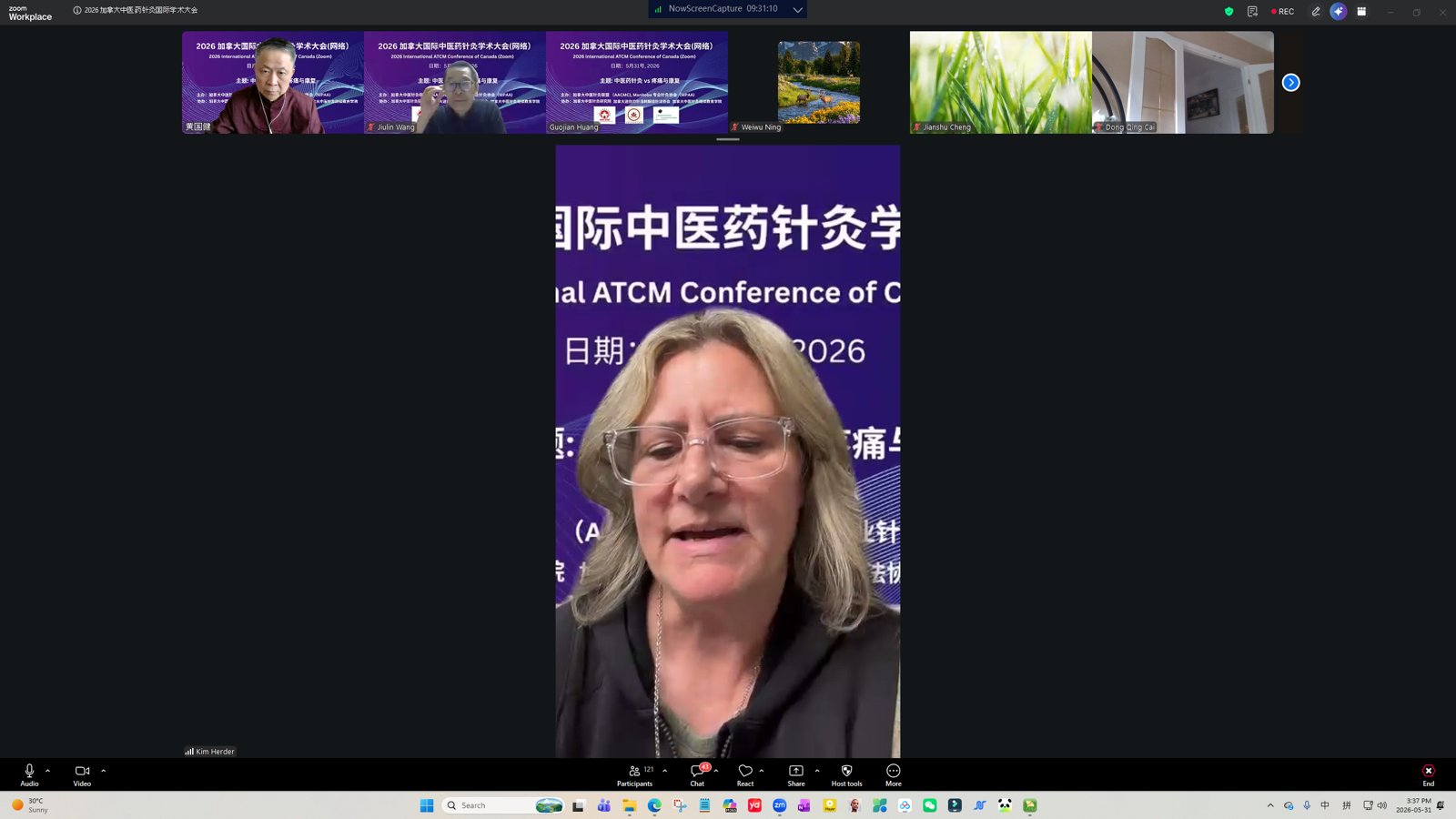
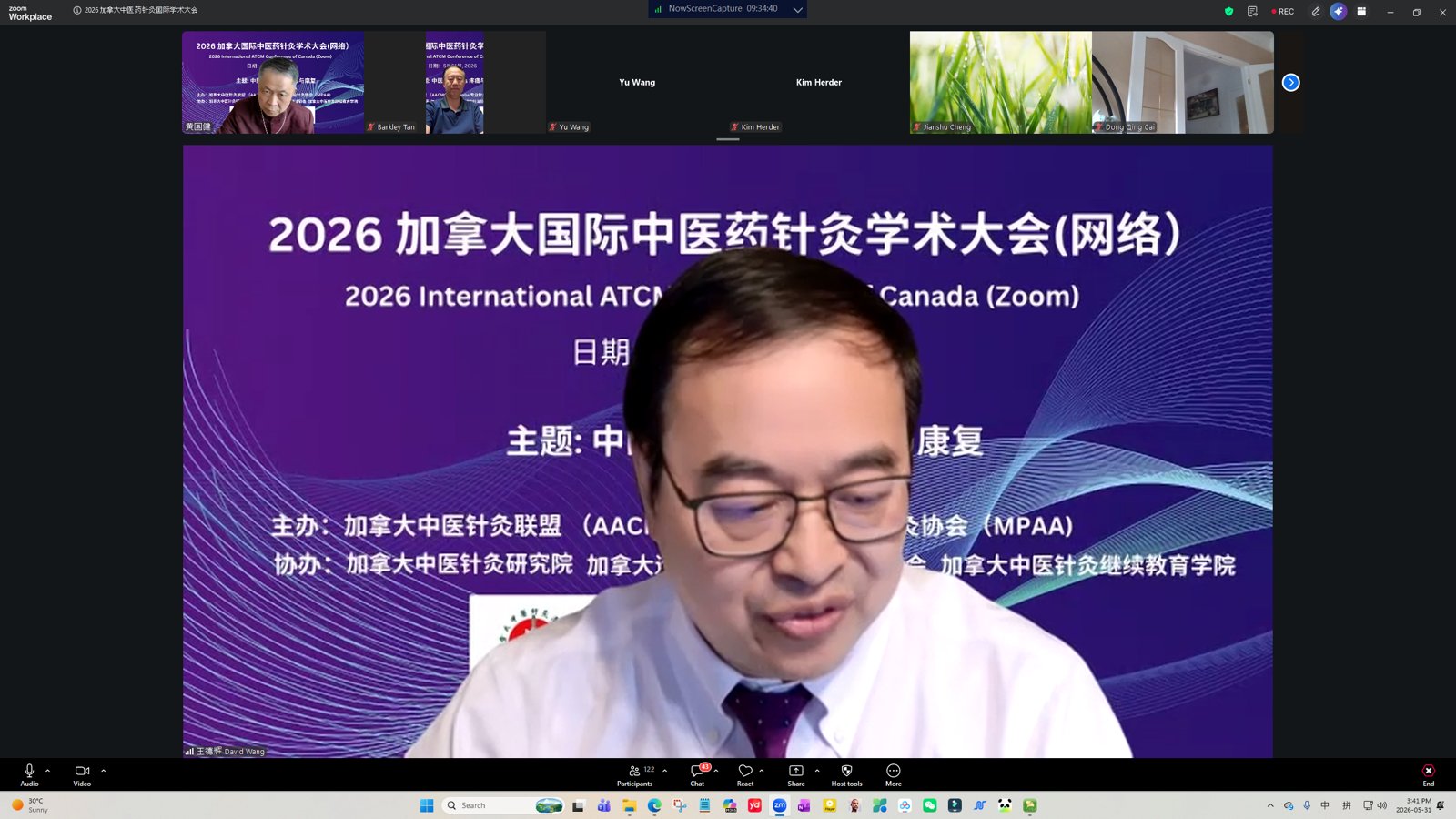
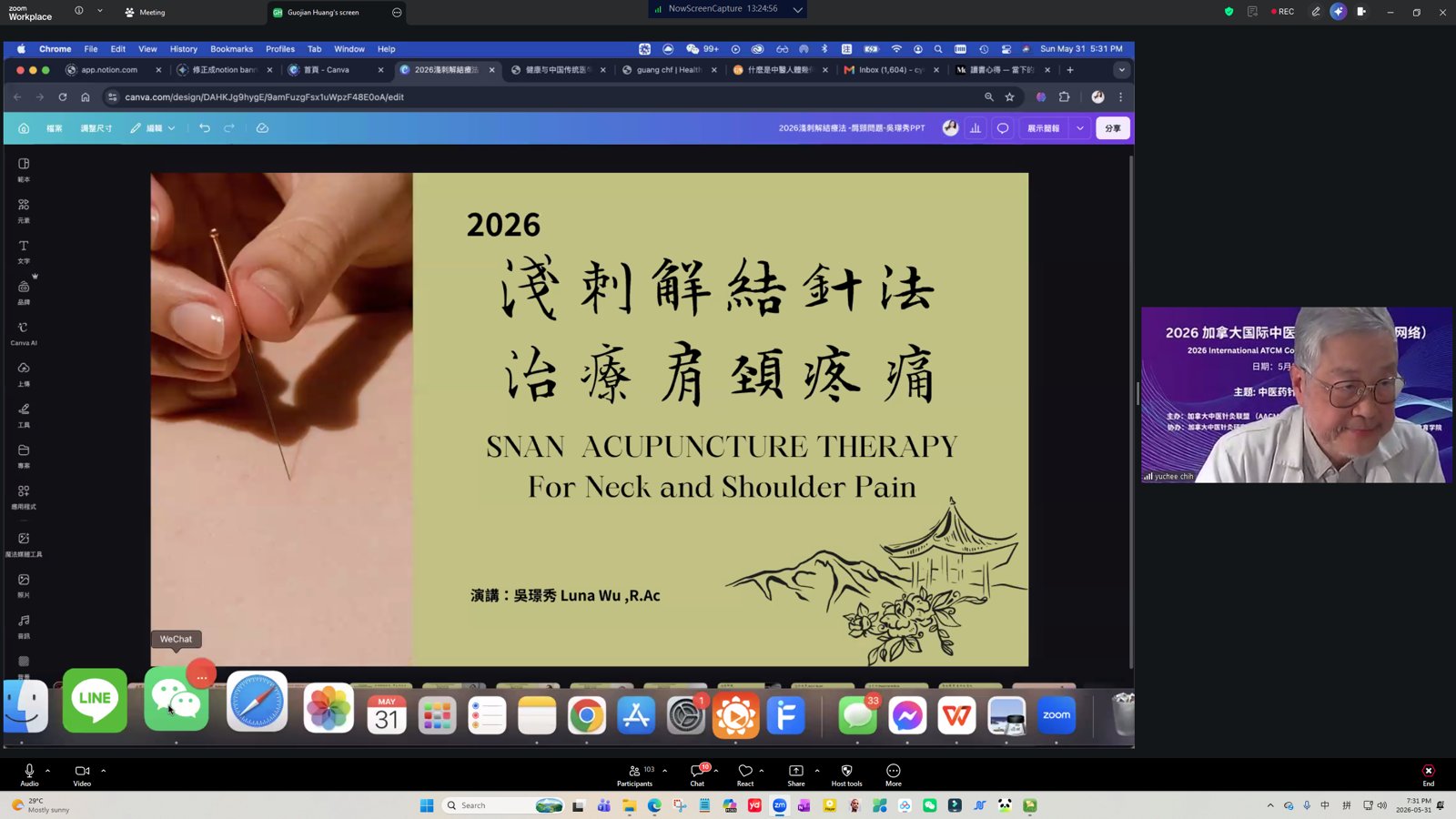
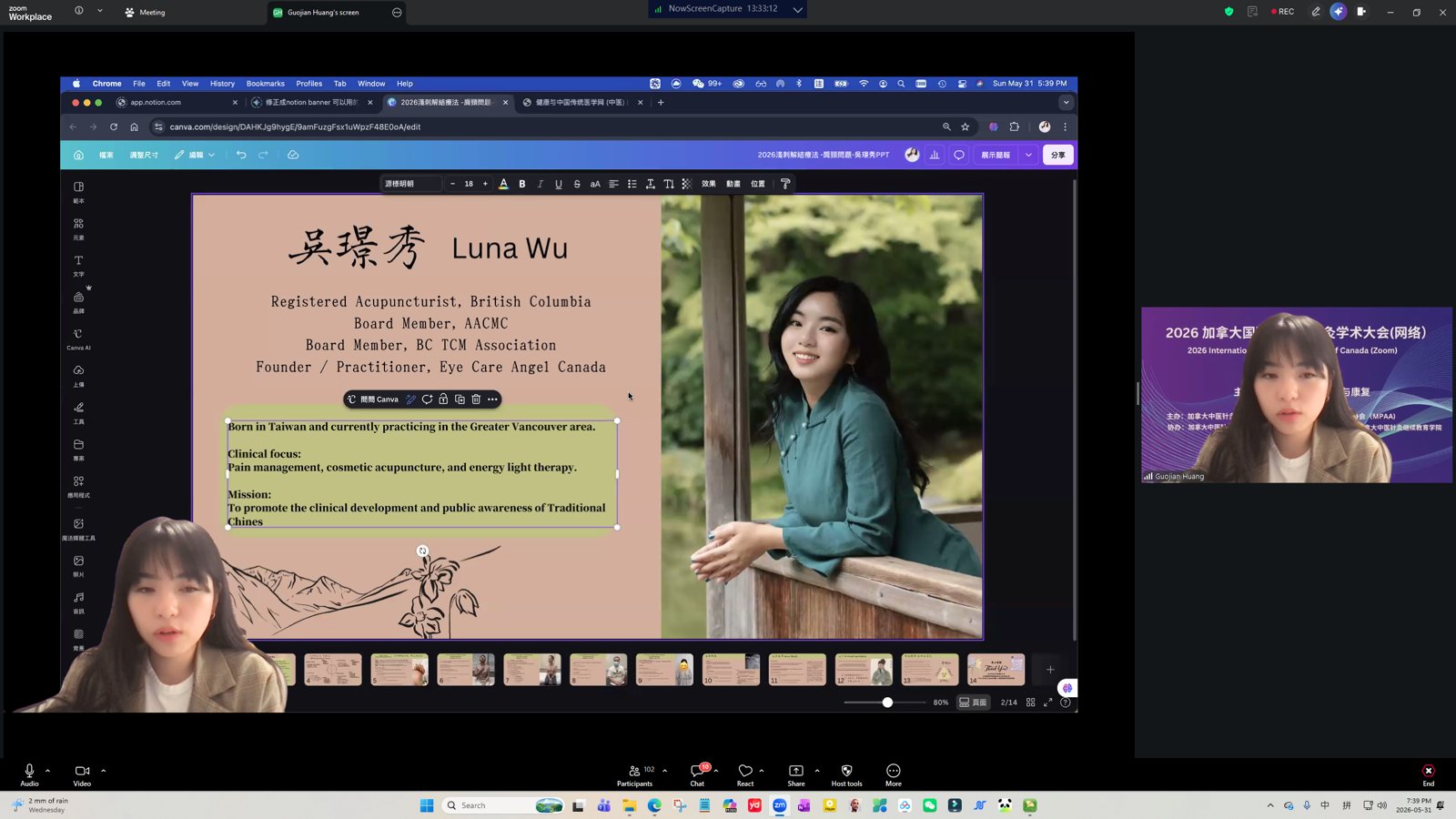
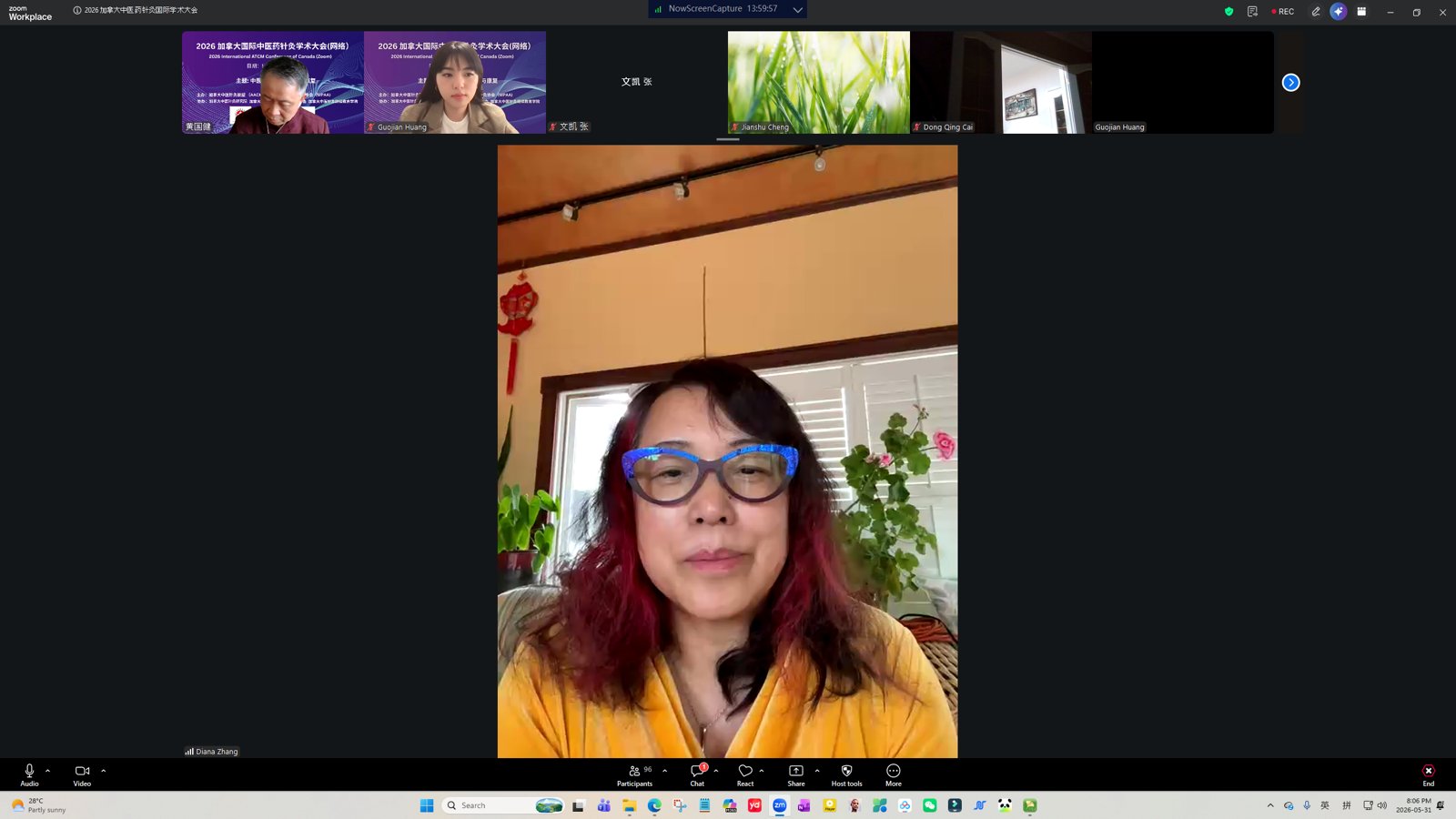
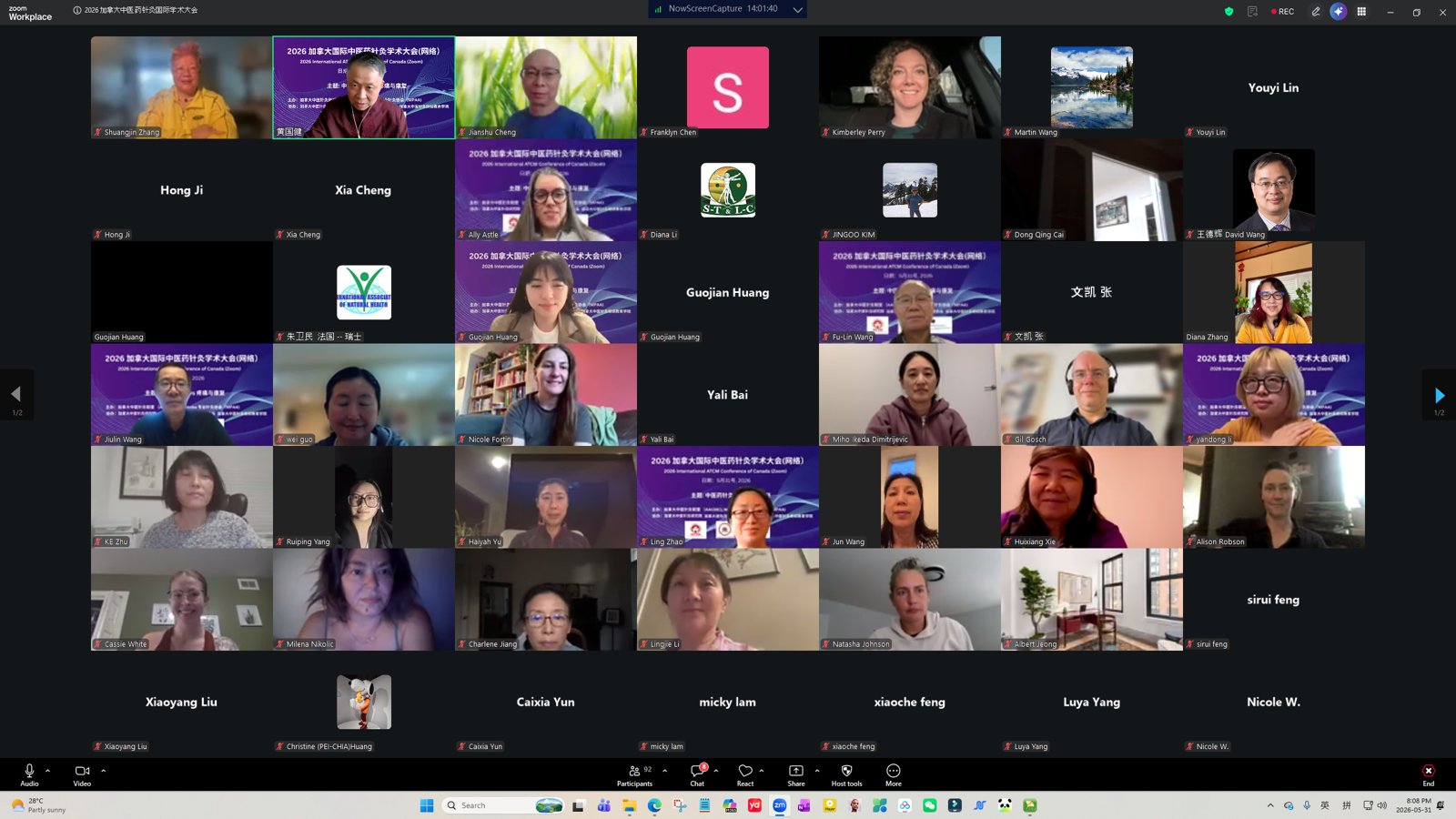

会议总结 | Conference Summary
中文版 (Chinese)
守正创新 融合发展
——2026加拿大中医药针灸国际学术大会(网络)会议总结
2026年加拿大中医药针灸国际学术大会于2026年5月31日,以线上形式成功举办。本次大会汇聚了来自中国、加拿大、美国、法国、瑞士等多个国家和地区的中医药、针灸、康复医学及疼痛医学领域知名专家学者,围绕疼痛康复、中风后遗症、神经系统疾病、妇科疾病、肿瘤镇痛以及针灸创新技术等前沿热点展开深入交流,充分展示了中医药国际化发展的最新成果和针灸学术研究的新趋势。
本届大会最鲜明的特点,是传统中医理论与现代医学科学的深度融合。多位专家从神经科学、筋膜学、生物力学、康复医学及脑科学等角度,对针灸治疗机制进行了创新性阐释,展现出中医药现代化研究的广阔前景。
在疼痛医学领域,大会亮点频现。黄国健博士提出”结节性疼痛综合征”概念,系统阐述软组织损伤后形成的疤痕粘连、筋膜激痛点与异常张力之间的关系,并以迷你刃针浅刺解结疗法为基础,提出从”症状治疗”向”病灶靶向治疗”转变的新思路。乔晋琳教授从全息胚针灸学角度,深入解析顽固性疼痛的诊疗机制,为经络实质研究提供了新的理论视角。巩昌镇博士则提出”疼痛与功能解耦”的康复理念,强调针灸不仅在于止痛,更应促进功能重建和运动再学习,引发与会者广泛共鸣。
脑科学与针灸结合成为大会另一重要热点。杰森·郝教授系统介绍了中式头皮针灸(Chinese Scalp Acupuncture)在中风偏瘫、脑瘫、自闭症及新冠后综合征康复中的应用成果,通过大量临床案例展示了头针治疗神经系统疾病的巨大潜力。与此同时,融合现代脑科学与中医”元神理论”的”脑元神针法”也引起高度关注。该理论尝试将现代疼痛矩阵与中医脑神系统相结合,探索疼痛中枢调控的新模式,为疼痛康复提供了新的研究方向。
针刀医学与微创针灸技术同样成为本次大会的重要内容。卢胜春教授分享了针刀治疗中风后遗症39年的临床经验,从神经重塑、肌肉张力调节及脑循环改善等多个方面阐述其理论基础与疗效机制。钩活术创始人则介绍了钩鍉针及相关创新技术,通过几何定位与精准治疗理念,为软组织疾病治疗提供了新的技术路径。
妇科疾病治疗方面,李金牛主任医师提出”调冲疏肝法”分期辨证治疗经行头痛的新模式,实现急则治标、缓则治本。刘津教授分享了针药结合靶向调周法治疗痛经的经验,体现了经方医学与现代针灸相结合的特色优势。
此外,肿瘤镇痛、外周神经病变、手腕部疼痛疾病及快速祛痛技术等专题报告,也充分展示了针灸在疑难病、慢性病及功能康复领域的广泛应用价值。其中,王德辉博士提出基于症状特点选择电针波形的精准治疗理念,为电针规范化和个体化治疗提供了新的实践依据。
纵观本次大会,可以清晰看到国际中医药针灸学术发展的三大趋势:一是疼痛医学持续成为针灸研究与应用的重要突破口;二是现代神经科学、脑科学与传统针灸理论加速融合;三是精准化、微创化、个体化治疗理念正在成为临床发展的重要方向。
虽然大会采取网络形式举办,但学术交流氛围热烈,与会专家观点碰撞精彩纷呈。大会不仅展示了全球中医针灸工作者的最新研究成果,更体现了中医药在现代医学体系中的独特价值与国际影响力。
面向未来,中医药与针灸学的发展既要坚持”守正创新”,深入挖掘经典理论精髓;也要积极拥抱现代科技,加强循证医学研究和国际学术合作。相信在全球中医药工作者的共同努力下,中医针灸将在疾病预防、疼痛康复、功能重建及健康管理等领域发挥更加重要的作用,为构建人类健康共同体贡献更多中国智慧和东方方案。
加拿大中医针灸联盟主席 黄国建
2026-6-3
English Version
Upholding Tradition and Embracing Innovation, Integrating Development
— Summary of the 2026 Canadian International Conference on Traditional Chinese Medicine and Acupuncture (Online)
The 2026 International Conference on Traditional Chinese Medicine and Acupuncture in Canada was successfully held online on May 31, 2026. This conference brought together renowned experts and scholars in the fields of Traditional Chinese Medicine, acupuncture, rehabilitation medicine, and pain medicine from China, Canada, the United States, France, Switzerland, and other countries and regions. They engaged in in-depth exchanges on cutting-edge topics such as pain rehabilitation, stroke sequelae, neurological diseases, gynecological diseases, tumor analgesia, and innovative acupuncture techniques, fully showcasing the latest achievements in the international development of Traditional Chinese Medicine and new trends in acupuncture research.
The most distinctive feature of this conference was the deep integration of traditional Chinese medicine theory with modern medical science. Several experts provided innovative explanations of the mechanisms of acupuncture treatment from the perspectives of neuroscience, fascia science, biomechanics, rehabilitation medicine, and brain science, demonstrating the broad prospects for the modernization of Traditional Chinese Medicine research.
The conference also featured numerous highlights in the field of pain medicine. Dr. Guojian Huang proposed the concept of “nodular pain syndrome,” systematically elucidating the relationship between scar adhesions, fascial trigger points, and abnormal tension formed after soft tissue injury. Based on the mini-blade needle superficial needling therapy for unraveling knots, he proposed a new approach shifting from “symptom treatment” to “lesion-targeted therapy.” Professor Jinlin Qiao, from the perspective of holographic embryonic acupuncture, provided an in-depth analysis of the diagnostic and treatment mechanisms of intractable pain, offering a new theoretical perspective for the study of meridians. Dr. Changzhen Gong proposed the rehabilitation concept of “decoupling pain and function,” emphasizing that acupuncture should not only relieve pain but also promote functional reconstruction and motor relearning, resonating widely with the attendees.
The integration of neuroscience and acupuncture was another major highlight of the conference. Professor Jason Hao systematically introduced the application results of Chinese Scalp Acupuncture in the rehabilitation of stroke hemiplegia, cerebral palsy, autism, and post-COVID-19 syndrome, demonstrating the enormous potential of scalp acupuncture in treating neurological diseases through numerous clinical cases. Meanwhile, the “Brain Yuan Shen Acupuncture Method,” which integrates modern neuroscience with the TCM “Yuan Shen Theory,” also attracted significant attention. This theory attempts to combine the modern pain matrix with the TCM brain-spirit system to explore new models of pain center regulation, providing a new research direction for pain rehabilitation.
Needle knife medicine and minimally invasive acupuncture techniques were also important topics at the conference. Professor Shengchun Lu shared 39 years of clinical experience in treating stroke sequelae with needle knife, elaborating on its theoretical basis and therapeutic mechanisms from multiple aspects, including neural remodeling, muscle tone regulation, and improvement of cerebral circulation. The founder of the Hook-Life Technique introduced the hook-knife needle and related innovative technologies, providing a new technical path for the treatment of soft tissue diseases through geometric positioning and precise treatment concepts.
In the treatment of gynecological diseases, Chief Physician Jinniu Li proposed a new model for treating menstrual headaches using the “Regulating the Chong Meridian and Soothing the Liver Method” based on staged syndrome differentiation, achieving both symptomatic relief in acute cases and root-cause treatment in chronic cases. Professor Liu Jin shared his experience in treating dysmenorrhea using a combination of acupuncture and medication with targeted menstrual regulation, demonstrating the unique advantages of combining classical Chinese medicine with modern acupuncture.
In addition, special reports on tumor analgesia, peripheral neuropathy, wrist pain, and rapid pain relief techniques fully demonstrated the wide application value of acupuncture in the fields of intractable diseases, chronic diseases, and functional rehabilitation. Among them, Dr. Dehui Wang proposed a precise treatment concept based on selecting electroacupuncture waveforms according to symptom characteristics, providing new practical evidence for the standardization and individualization of electroacupuncture treatment.
Overall, this conference clearly shows three major trends in the international development of traditional Chinese medicine and acupuncture: first, pain medicine continues to be an important breakthrough in acupuncture research and application; second, modern neuroscience, brain science, and traditional acupuncture theory are accelerating their integration; and third, the concepts of precision, minimally invasive, and individualized treatment are becoming important directions for clinical development.
Although the conference was held online, the atmosphere of academic exchange was enthusiastic, with participating experts sharing insightful and diverse perspectives. The conference not only showcased the latest research findings of TCM and acupuncture practitioners worldwide but also demonstrated the unique value and international influence of TCM within the modern medical system.
Looking to the future, the development of TCM and acupuncture must adhere to the principle of “preserving tradition while innovating,” deeply exploring the essence of classical theories; it must also actively embrace modern technology, strengthening evidence-based medicine research and international academic cooperation. It is believed that with the joint efforts of TCM practitioners worldwide, TCM and acupuncture will play an even more important role in disease prevention, pain rehabilitation, functional reconstruction, and health management, contributing more Chinese wisdom and Eastern solutions to building a global community of health for all.
Guojian Huang, Chairman of The Alliance of Acupuncture and Chinese Medicine of Canada
June 3, 2026


