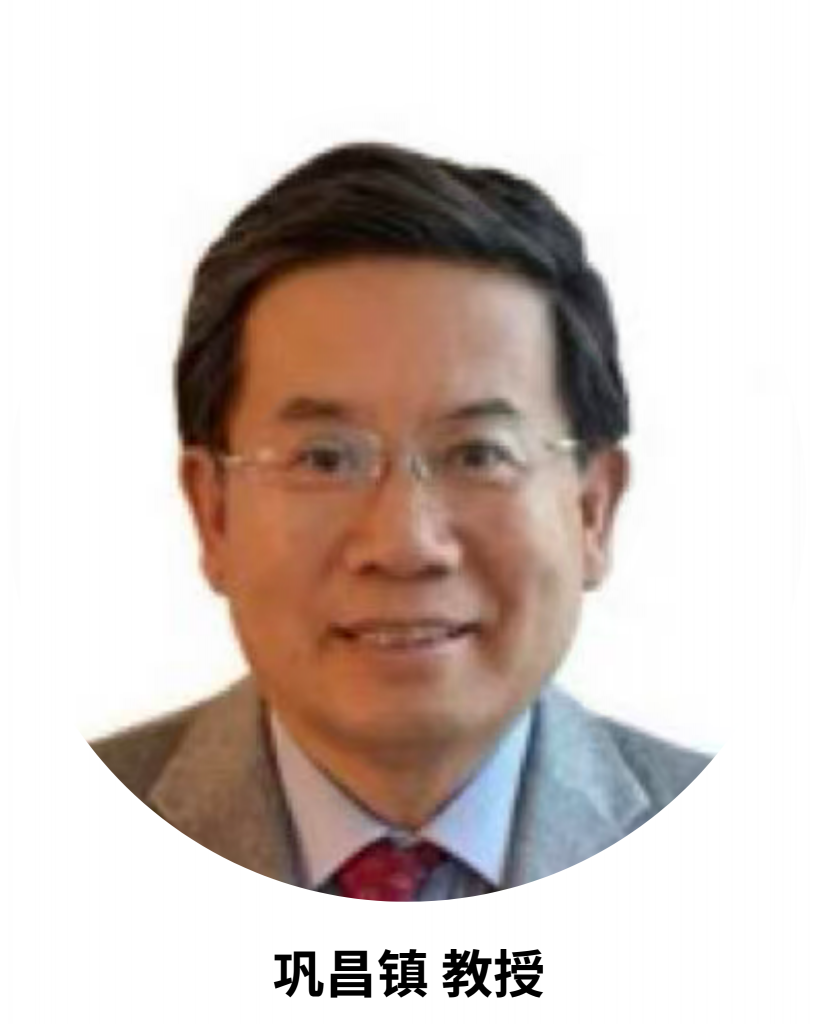
巩昌镇 教授/Changzhen Gong Prof.
专家简历:
巩昌镇博士,美国中医针灸研究院院长,美国中医学院创院院长,北京中医药大学客座教授,全美中医药学会副会长、网络学院院长、教育委员会主任,美国明尼苏达中医协会会长,世界中医联合会翻译专业委员会副会长,温州医科大学中美针灸康复研究所专家委员会高级特聘专家。世界卫生组织中医术语标准核审专家,美国《国际针灸临床杂志》主编,人民卫生出版社《中医海外赤子学术文丛》总主编。主编《中华针灸要穴丛书》20卷;《中华针灸临床精粹系列丛书》10卷;《难病奇方系列丛书》72卷等100余部中医针灸著作。合著《现代针灸学》,主译世界中医学专业核心课程教材《温病学》。著有《我在美国讲中医》 、《经典与现代—针灸在美国热点对话录》、《针灸临床十讲》、《针灸与大脑》、《针灸的崛起》。《经典与现代》一书获世界中联“中医药国际贡献奖-著作奖。”在东西方中英文杂志报纸上发表中医针灸学术、科普、对话文章800余篇。巩昌镇曾获山东大学数学硕士,明尼苏达大学经济学博士,山东大学管理学院创建人之一,上一世纪八十年代移居美国后独立创建明尼苏达大学《中国经济》教学课程,《东亚经济》教学课程,后创建美国中医学院与美国中医健康中心。
Dr. Gong Changzhen is the President of the American Academy of Traditional Chinese Medicine and Acupuncture, the Founding President of the American College of Traditional Chinese Medicine, a Visiting Professor at Beijing University of Traditional Chinese Medicine, Vice President of the All-American Association of Traditional Chinese Medicine, Dean of its Online College, and Director of its Education Committee, President of the Minnesota Chinese Medicine Association, Vice President of the Translation Committee of the World Federation of Traditional Chinese Medicine Societies, and a Senior Specially Appointed Expert of the Expert Committee of the Sino-US Acupuncture and Rehabilitation Research Institute of Wenzhou Medical University. He is an expert reviewer of the World Health Organization's TCM terminology standards, Editor-in-Chief of the *International Journal of Clinical Acupuncture*, and Chief Editor of the *Academic Papers of Overseas Chinese TCM Patriots* published by People's Medical Publishing House. He is the chief editor of over 100 TCM and acupuncture works, including the 20-volume *Collection of Essential Acupuncture Points in Chinese Medicine*, the 10-volume *Collection of Clinical Essence of Chinese Acupuncture*, and the 72-volume *Collection of Extraordinary Prescriptions for Difficult Diseases*. He co-authored *Modern Acupuncture* and was the chief translator of the core textbook for TCM majors worldwide, *Wenbing Xue*. His publications include *I Teach TCM in America*, *Classics and Modernity—A Dialogue on Hot Topics in Acupuncture in America*, *Ten Lectures on Clinical Acupuncture*, *Acupuncture and the Brain*, and *The Rise of Acupuncture*. The book "Classics and Modernity" won the World Federation of Chinese Medicine Societies' "International Contribution Award for Traditional Chinese Medicine - Book Award." He has published over 800 academic, popular science, and dialogue articles on traditional Chinese medicine and acupuncture in both Chinese and English magazines and newspapers. Gong Changzhen holds a Master's degree in Mathematics from Shandong University and a PhD in Economics from the University of Minnesota. He was one of the founders of the School of Management at Shandong University. After immigrating to the United States in the 1980s, he independently created courses on "Chinese Economy" and "East Asian Economy" at the University of Minnesota. Later, he founded the American College of Traditional Chinese Medicine and the American Center for Traditional Chinese Medicine Health.
演讲主题:
痛退能复 针入有道—-针灸在疼痛康复中的功能重建逻辑
Pain Relief and Recovery Through Proper Needle Insertion: The Functional Reconstruction Logic of Acupuncture in Pain Rehabilitation
演讲摘要: 《针灸在疼痛康复中的功能重建逻辑》讨论针灸在疼痛康复中的功能重建逻辑,指出止痛并非康复终点。慢性疼痛常导致运动模式失衡与功能回避,即使疼痛减轻,身体仍处于“冻结”状态。针灸的核心作用在于通过安全的感觉输入,实现疼痛与功能的“解耦”,促进身体重新学习。提出功能重建的四个层级:解除紧张、恢复协同、重建负载与信心、推动再学习,并反思“单次有效、长期失败”的临床误区。最终强调针灸应作为连接止痛与功能恢复的关键过渡环节。
"The Functional Reconstruction Logic of Acupuncture in Pain Rehabilitation" discusses the functional reconstruction logic of acupuncture in pain rehabilitation, pointing out that pain relief is not the endpoint of rehabilitation. Chronic pain often leads to motor pattern imbalance and functional avoidance; even if pain is reduced, the body remains in a "frozen" state. The core role of acupuncture lies in achieving "decoupling" between pain and function through safe sensory input, promoting the body's relearning. It proposes four levels of functional reconstruction: relieving tension, restoring synergy, rebuilding load and confidence, and promoting relearning, while reflecting on the clinical misconception of "single-time effectiveness, long-term failure." Ultimately, it emphasizes that acupuncture should serve as a crucial transitional link between pain relief and functional recovery.