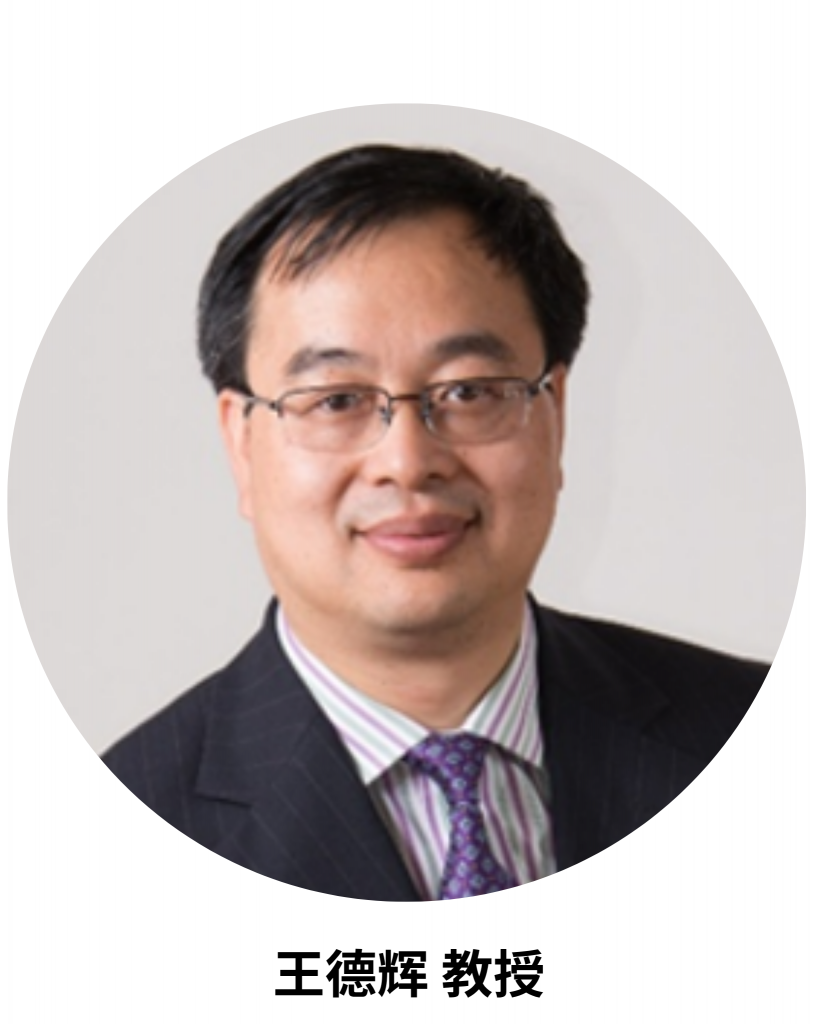
王德辉 教授/Dehui Wang Prof.
专家简历:
王德辉博士,早年就读于江西中医药大学中医系,1985 年毕业后进入福建中医药大学中医内科教研室任教。1987 年,他考入中国中医科学院广安门医院攻读硕士学位,并于 1990 年毕业后留院工作;后来又在中国中医科学院广安门医院获得医学博士学位。 1995 年,王博士受邀赴美国国际中医学院任教,先后担任教务长(Academic Dean)及门诊部主任(Clinic Director),负责中医教学与临床实习指导以及教学管理工作。2001 年,他应邀赴俄亥俄州哥伦布市协助创办美国替代医学学院,出任首任东方医学系主任(Dean of Oriental Medicine),设计并建立了俄亥俄州首个针灸硕士专业,该项目顺利通过 ACAHM 认证,使学生获得参加 NCCAOM 全国执照考试的资格。他同时创立了俄亥俄州针灸与东方医学学会,连任两届会长,并主导推动了州内针灸立法改革,取消患者就诊前需西医书面推荐的限制,在俄亥俄州针灸史上具有里程碑意义。 自 2005 年起,王博士受聘于俄亥俄州立大学医学院担任临床助理教授,建立了医学院中医针灸教学与临床。他长期为医学生、住院医师和整合医学专科医师提供中医针灸教育,是将传统中医成功融入美国主流医学教育体系的代表性专家之一。他为俄亥俄州立大学医学继续教育中心录制的针灸课程已被全球130多个国家的西医使用。他还曾作为首位、也是迄今唯一的中医讲者,主讲俄亥俄州立大学“James V. Warren 纪念讲座”,在跨医学领域交流中发挥独特影响。 在研究方面,王博士发表多篇中医针灸学术论文,参与主编,参编中医书籍共五部,并承担一部中译英著作的翻译工作。2024 年,他与印第安纳大学学者合作的研究成果发表于《Frontiers in Pain Research》,首次以大规模临床试验方式研究镰状细胞病的中医证候诊断,为基于辨证论治的针灸治疗 SCD 疼痛提供了系统证据。 王博士长期担任多个学术组织的领导职务,包括全美中医药学会常务副会长、美国中医校友联合会副主席、世界中医药学会联合会多个专业委员会副会长与常务理事等。他在美国从事中医针灸临床、教学与推广工作逾三十年,累计学术与公众演讲超过三百场,多次接受 US News & World Report、USA Today ,Pharmacy Today等主流媒体采访,在推动中医针灸在美国的学术传播、立法发展与临床普及方面具有广泛影响。 王博士曾获俄亥俄州众议院、哥伦布市政厅、美国联邦国会议员等授予的荣誉证书,并被江西中医药大学评为“杰出校友”,多次获得 Angie’s List “年度卓越服务奖”。
Dr. Wang Dehui studied Traditional Chinese Medicine at Jiangxi University of Traditional Chinese Medicine in his early years. After graduating in 1985, he joined the Department of Internal Medicine at Fujian University of Traditional Chinese Medicine. In 1987, he enrolled at the Guang'anmen Hospital of the China Academy of Chinese Medical Sciences to pursue a master's degree, graduating in 1990 and remaining at the hospital to work. He later obtained his Doctor of Medicine degree from the same hospital. In 1995, Dr. Wang was invited to teach at the International College of Traditional Chinese Medicine in the United States, where he served as Academic Dean and Clinic Director, responsible for TCM teaching, clinical internship guidance, and teaching management. In 2001, he was invited to Columbus, Ohio, to assist in the founding of the American College of Alternative Medicine, serving as its first Dean of Oriental Medicine. He designed and established Ohio's first Master of Science program in Acupuncture, which successfully passed ACAHM accreditation, enabling students to participate in NCCAOM accreditation. He is qualified for the national licensing examination. He also founded the Ohio Acupuncture and Oriental Medicine Society, serving two terms as president, and spearheaded statewide acupuncture legislation reform, eliminating the requirement for written recommendations from Western medicine doctors before patient visits—a landmark achievement in Ohio's acupuncture history. Since 2005, Dr. Wang has been a Clinical Assistant Professor at the Ohio State University School of Medicine, establishing TCM and acupuncture teaching and clinical practice within the medical school. He has long provided TCM and acupuncture education to medical students, residents, and integrative medicine specialists, and is one of the leading experts in successfully integrating traditional Chinese medicine into the mainstream American medical education system. His acupuncture courses recorded for the Ohio State University Continuing Medical Education Center are used by Western medicine practitioners in over 130 countries worldwide. He was also the first and, to date, the only TCM lecturer to deliver the "James V. Warren Memorial Lecture" at Ohio State University, playing a unique role in cross-medical exchange. In research, Dr. Wang has published numerous academic papers on TCM and acupuncture, co-edited five TCM books, and translated one Chinese-to-English work. 2024 In 2010, his research findings, conducted in collaboration with scholars from Indiana University, were published in *Frontiers in Pain Research*. This research marked the first large-scale clinical trial investigating the TCM syndrome diagnosis of sickle cell disease (SCD), providing systematic evidence for acupuncture treatment of SCD pain based on syndrome differentiation. Dr. Wang has long held leadership positions in multiple academic organizations, including Executive Vice President of the National Association of Chinese Medicine, Vice President of the American Association of Chinese Medicine Alumni, and Vice President and Executive Director of several professional committees of the World Federation of Chinese Medicine Societies. He has been engaged in clinical, teaching, and promotional work in TCM and acupuncture in the United States for over thirty years, delivering more than three hundred academic and public lectures. He has been interviewed multiple times by mainstream media outlets such as *US News & World Report*, *USA Today*, and *Pharmacy Today*, and has a wide influence on promoting the academic dissemination, legislative development, and clinical application of TCM and acupuncture in the United States. Dr. Wang has received honorary certificates from the Ohio House of Representatives, Columbus City Hall, and members of the U.S. Congress, and was named an "Outstanding Alumnus" by Jiangxi University of Traditional Chinese Medicine. He has also received the Angie’s List "Outstanding Service Award" multiple times.
演讲主题:
基于症状电针波形选择在外周神经病变中的应用
Application of Symptom-Based Electroacupuncture Waveform Selection in Peripheral Neuropathy
演讲摘要:
外周神经病变是一种临床常见且高发的疾病,病因复杂、症状多样,严重影响患者生活质量,其治疗一直面临诸多挑战。尽管现代医学在症状控制方面取得了一定进展,但药物治疗的疗效有限,且常受副作用所制约,促使越来越多患者寻求安全、有效的非药物治疗方式。其中,针灸,尤其是电针治疗,已逐渐被证实并认可为外周神经病变的重要治疗手段之一。 然而,现有研究与临床实践多采用单一、固定波形的电针治疗模式,未能充分考虑外周神经病变临床表现的异质性,也忽视了不同电针波形与频率在神经调节、镇痛及感觉恢复方面所具有的差异化治疗效应。这一局限在一定程度上制约了电针疗效的进一步提升。 基于多年临床实践与思考,作者提出并建立了一套个体化电针治疗方案,以患者的主导症状及其严重程度为核心依据,对电针波形与频率进行针对性选择与动态调整。该方案通过将麻木、刺痛、感觉异常及疼痛等不同症状,与相应电针波形与频率所具有的特异治疗作用相匹配,形成了“基于症状的电针波形选择”治疗策略,旨在实现更加精准、有效的临床干预。 本次演讲将系统性介绍这一治疗理念的理论基础与临床逻辑,结合典型病例,详细阐述不同症状对应的电针波形选择原则、具体操作方法及临床注意事项,并分享作者在长期临床实践中积累的经验与体会。期望通过本次交流,为电针在外周神经病变中的规范化、精准化应用提供新的思路与实践参考,进一步提升临床疗效。
Peripheral neuropathy is a common and prevalent clinical disease with complex etiologies and diverse symptoms, severely impacting patients' quality of life, and its treatment has always faced numerous challenges. Although modern medicine has made some progress in symptom control, the efficacy of drug therapy is limited and often constrained by side effects, prompting more and more patients to seek safe and effective non-drug treatments. Among these, acupuncture, especially electroacupuncture, has gradually been proven and recognized as an important treatment method for peripheral neuropathy. However, current research and clinical practice mostly adopt a single, fixed waveform electroacupuncture treatment mode, failing to fully consider the heterogeneity of clinical manifestations of peripheral neuropathy, and neglecting the differentiated therapeutic effects of different electroacupuncture waveforms and frequencies in terms of nerve regulation, analgesia, and sensory recovery. This limitation, to some extent, restricts the further improvement of electroacupuncture efficacy. Based on years of clinical practice and reflection, this paper... The authors proposed and established a personalized electroacupuncture treatment plan, based on the patient's dominant symptoms and their severity, to selectively and dynamically adjust the electroacupuncture waveform and frequency. This plan matches different symptoms such as numbness, tingling, paresthesia, and pain with the specific therapeutic effects of corresponding electroacupuncture waveforms and frequencies, forming a "symptom-based electroacupuncture waveform selection" treatment strategy, aiming to achieve more precise and effective clinical intervention. This presentation will systematically introduce the theoretical basis and clinical logic of this treatment concept. Using typical cases, it will elaborate on the principles of electroacupuncture waveform selection corresponding to different symptoms, specific operating methods, and clinical precautions, and share the authors' experience and insights accumulated in long-term clinical practice. It is hoped that this exchange will provide new ideas and practical references for the standardized and precise application of electroacupuncture in peripheral neuropathy, further improving clinical efficacy.